# **When( برنامج تصنيع)Enhances Factory Resource Planning 2026?**
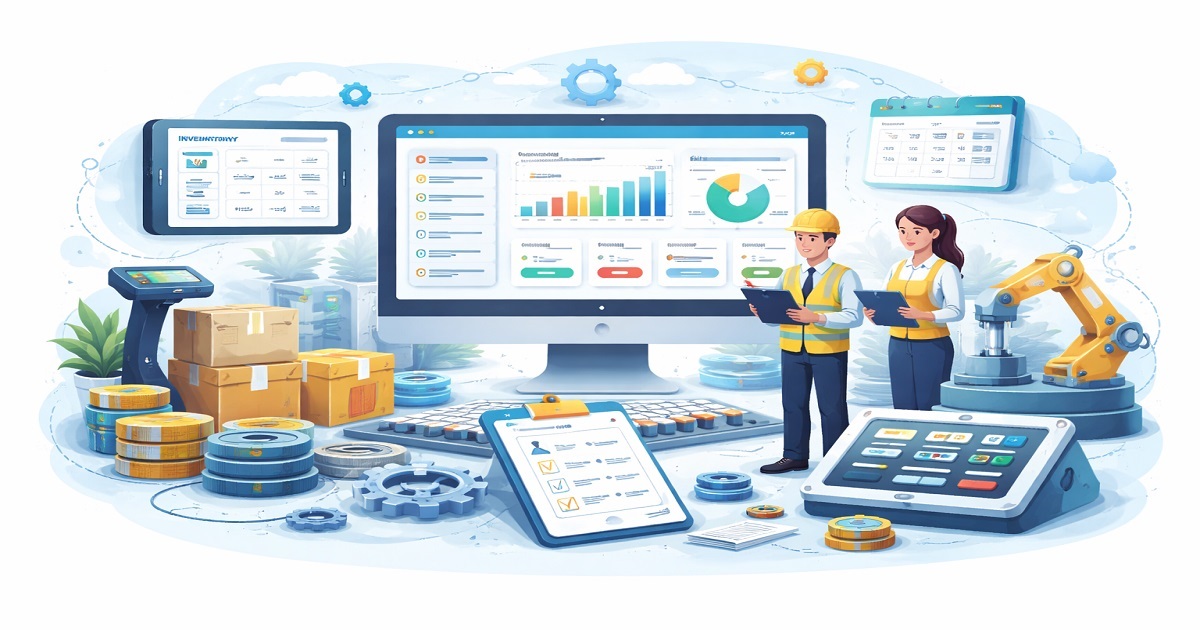
Manufacturing industries across Saudi Arabia are experiencing rapid digital transformation as factories adopt advanced technologies to improve productivity, reduce operational costs, and strengthen resource management. In 2026, manufacturers are moving away from outdated manual systems and investing in intelligent software solutions that streamline factory operations and improve decision-making. Factory resource planning has become a critical focus for businesses seeking higher efficiency, better production control, and stronger competitiveness in modern industrial markets.
As manufacturing operations become more complex, ***[برنامج تصنيع](https://bnody.com/restaurant-management-software-in-riyadh/)*** is helping factories across Saudi Arabia optimize resource planning and improve operational performance. Modern manufacturing software integrates inventory management, production scheduling, workforce coordination, procurement, and analytics within one centralized platform. Companies in Riyadh, Jeddah, and other industrial regions are increasingly adopting smart manufacturing systems to improve planning accuracy, reduce waste, and support long-term industrial growth.
### **The Rising Importance of Factory Resource Planning**
Factory resource planning plays a vital role in manufacturing efficiency because it connects production processes, inventory management, workforce operations, and financial planning within one organized system. Poor resource planning often leads to production delays, material shortages, machine downtime, and increased operational costs.
Manufacturers in Saudi Arabia are facing growing pressure to improve productivity while maintaining product quality and meeting customer expectations. Traditional planning methods based on spreadsheets and disconnected systems can no longer support the demands of modern manufacturing environments.
Advanced manufacturing software allows factories to monitor resources in real time and make data-driven decisions that improve operational efficiency. Businesses can allocate labor, raw materials, machinery, and production schedules more effectively.
***bnody.com*** in 2026, efficient factory resource planning is becoming essential for manufacturers seeking sustainable growth and competitive advantages in Saudi Arabia’s evolving industrial sector.
### **Automation Is Transforming Manufacturing Operations**
Automation is one of the most powerful features of modern manufacturing software. Manual production management often creates delays, communication gaps, and operational inefficiencies that reduce factory performance.
Modern manufacturing systems automate production scheduling, inventory tracking, procurement workflows, quality control reporting, and maintenance planning. Automated workflows reduce administrative workload while improving operational consistency.
Factories can schedule production runs more accurately based on inventory availability, machine capacity, and workforce requirements. This reduces production bottlenecks and improves manufacturing output.
Automation also minimizes human error and helps businesses maintain consistent product quality. In Saudi Arabia’s competitive industrial landscape, automation supports higher productivity and better operational reliability.
### **Real-Time Resource Monitoring Improves Efficiency**
Real-time monitoring is becoming increasingly important for modern manufacturing operations. Factories need instant visibility into production processes, inventory levels, and machine performance to maintain operational efficiency.
Modern manufacturing software provides real-time dashboards that display production status, raw material availability, equipment usage, and workforce performance. Managers can identify operational issues immediately and respond before disruptions escalate.
Real-time monitoring also improves coordination between departments such as procurement, warehousing, production, and logistics. Businesses gain better control over manufacturing operations and resource allocation.
For factories in Riyadh and other industrial hubs, real-time visibility supports faster decision-making and stronger operational performance.
### **Cloud-Based Manufacturing Systems Increase Flexibility**
Cloud technology is transforming how factories manage resource planning and operational data. Traditional manufacturing systems often relied on local servers that limited accessibility and required costly infrastructure maintenance.
Cloud-based manufacturing platforms allow managers and production teams to access factory data securely from any location using internet-connected devices. Businesses can monitor production schedules, inventory reports, and operational analytics remotely.
Automatic software updates ensure factories always operate using the latest features and security standards. Cloud storage also protects critical manufacturing data through secure backups and disaster recovery solutions.
For manufacturers operating multiple facilities across Saudi Arabia, cloud-based systems improve coordination and simplify centralized factory management.
### **Inventory Management Becomes More Accurate**
Inventory control is one of the biggest challenges in manufacturing environments. Inaccurate inventory records can lead to material shortages, production delays, and excessive storage costs.
Modern manufacturing software improves inventory management through automated stock tracking and real-time inventory updates. Factories can monitor raw materials, finished goods, spare parts, and warehouse movements more accurately.
Automated alerts notify managers when inventory levels fall below required thresholds, allowing businesses to reorder materials before shortages impact production schedules.
Advanced inventory systems also support barcode scanning, batch tracking, and warehouse optimization. Businesses can reduce waste while maintaining efficient stock management practices.
In Saudi Arabia’s expanding manufacturing sector, accurate inventory control directly supports operational efficiency and profitability.
### **Artificial Intelligence Enhances Factory Planning**
Artificial intelligence is becoming a major driver of innovation in manufacturing software. AI-powered systems help factories improve forecasting, optimize production schedules, and analyze operational performance.
AI algorithms can predict equipment maintenance requirements, identify production inefficiencies, and forecast material demand based on historical data and market trends. Businesses gain deeper insights that support smarter planning decisions.
Predictive analytics also help manufacturers reduce downtime by scheduling maintenance before equipment failures occur. This improves machine reliability and production continuity.
For factories in Saudi Arabia, AI-driven manufacturing software supports better operational intelligence and stronger competitive positioning in industrial markets.
### **Production Scheduling Improves Operational Flow**
Production scheduling is essential for maintaining manufacturing efficiency and meeting delivery deadlines. Poor scheduling often creates workflow disruptions, machine conflicts, and workforce inefficiencies.
Modern manufacturing software automates production scheduling based on machine availability, workforce capacity, material inventory, and customer demand. Businesses can optimize production timelines and reduce operational delays.
Automated scheduling systems also improve flexibility by allowing managers to adjust production plans quickly when demand changes or unexpected issues arise.
Efficient scheduling improves resource utilization while helping factories maintain consistent output and customer satisfaction.
In 2026, smart scheduling capabilities are becoming critical features within advanced manufacturing systems.
### **Workforce Management Supports Productivity**
Manufacturing operations depend heavily on effective workforce coordination. Factories need accurate workforce planning to ensure production schedules remain aligned with labor availability and operational goals.
Modern manufacturing software includes workforce management tools that monitor employee attendance, shift scheduling, productivity metrics, and training requirements.
Managers can allocate labor more efficiently while tracking workforce performance in real time. Businesses gain better visibility into staffing needs and operational productivity.
Integrated workforce management also improves communication between departments and production teams, reducing delays and operational confusion.
For manufacturing companies across Saudi Arabia, effective workforce planning contributes directly to operational stability and production efficiency.
### **Integration With ERP and Accounting Systems**
Manufacturing software increasingly integrates with enterprise resource planning and accounting systems to improve operational coordination and financial visibility.
Integrated systems connect production data with procurement, payroll, inventory, finance, and supply chain operations. This reduces duplicate data entry while improving reporting accuracy across departments.
Businesses can monitor production costs, operational expenses, and resource consumption through centralized dashboards. Financial managers gain deeper insights into factory performance and profitability.
ERP integration also supports better strategic planning by combining operational and financial intelligence within one unified ecosystem.
Manufacturers in Riyadh are adopting integrated systems to improve efficiency and strengthen industrial decision-making.
### **Predictive Maintenance Reduces Downtime**
Equipment downtime can significantly impact factory productivity and operational profitability. Traditional maintenance approaches often rely on reactive repairs that create unexpected production interruptions.
Modern manufacturing systems use predictive maintenance technology to monitor equipment performance continuously. Sensors and AI analytics identify signs of wear, overheating, or mechanical issues before failures occur.
Predictive maintenance scheduling reduces unplanned downtime while extending equipment lifespan and improving production continuity.
Factories can maintain smoother production cycles and reduce costly repair expenses through proactive maintenance planning.
In Saudi Arabia’s industrial sector, predictive maintenance is becoming a key component of efficient factory resource management.
### **Data Analytics Supports Strategic Manufacturing Decisions**
Data analytics is transforming manufacturing by helping businesses understand operational performance and identify opportunities for improvement.
Modern manufacturing software generates reports on production output, machine efficiency, labor productivity, material usage, and operational costs. Businesses gain actionable insights that support strategic decision-making.
Analytics tools also help manufacturers identify production bottlenecks, optimize workflows, and improve quality control processes.
Predictive analytics further support demand forecasting and resource planning by analyzing historical production trends and customer behavior.
In 2026, data-driven **[manufacturing operations](https://hedgedoc.glodal-inc.net/)** are helping Saudi factories improve competitiveness and operational efficiency.
## **FAQs**
### **What is برنامج تصنيع?**
It is manufacturing software used to manage production planning, inventory, workforce operations, and factory resource management.
### **How does manufacturing software improve factory efficiency?**
It automates production scheduling, inventory tracking, maintenance planning, and operational reporting to improve productivity.
### **Can manufacturing systems integrate with ERP software?**
Yes, modern manufacturing platforms integrate with ERP, accounting, payroll, and inventory management systems.
### **Why is cloud technology important in manufacturing?**
Cloud systems provide remote access, secure data storage, real-time monitoring, and centralized factory management.
### **What role does AI play in manufacturing software?**
AI helps factories optimize production schedules, predict maintenance needs, analyze data, and improve resource planning.